
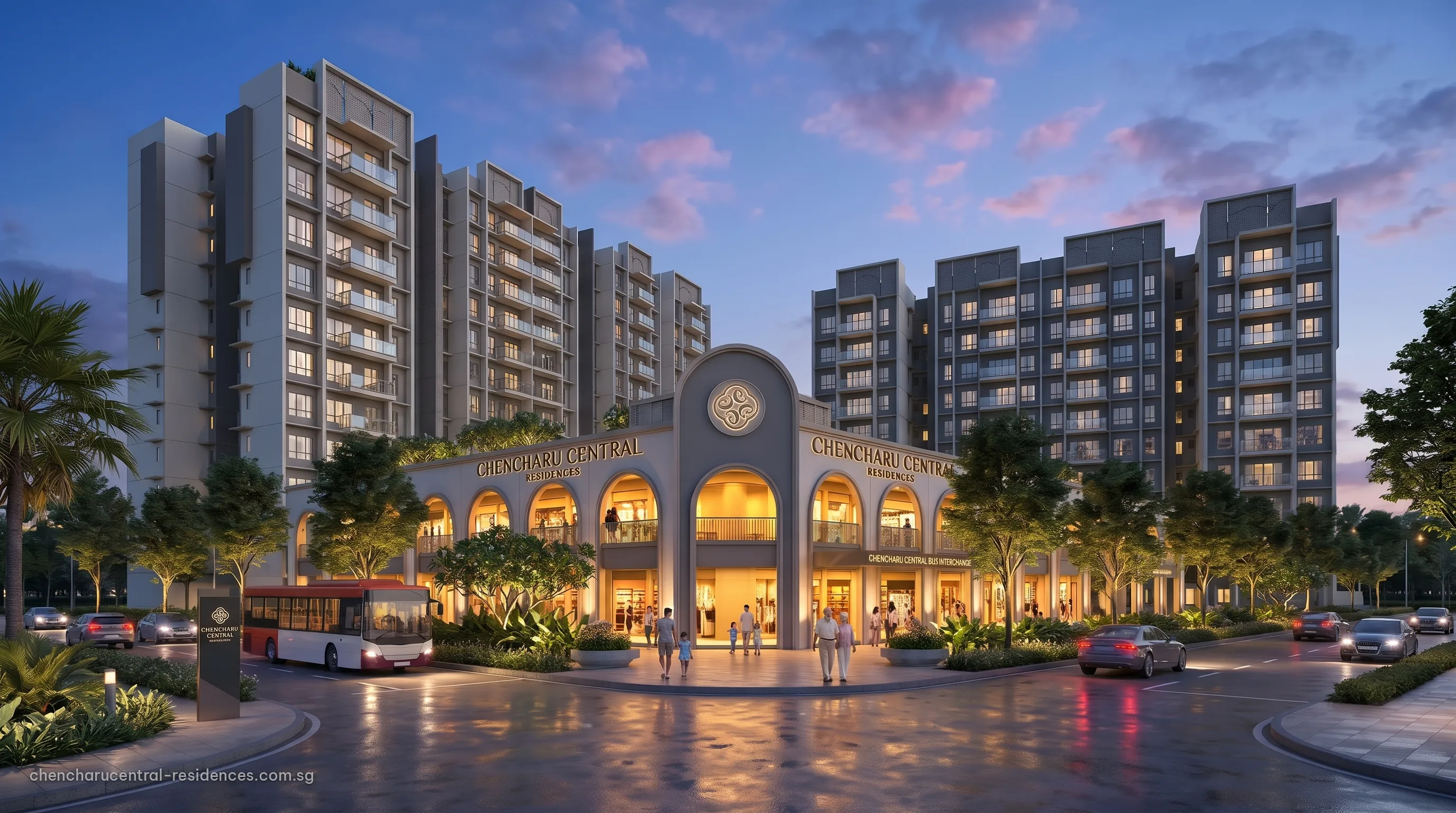
 Illustrative image
Fewer owners will need to agree before an older strata development can be sold collectively, after Parliament passed the Land Titles (Strata) (Amendment) Bill 2026 on 8 September 2026, EdgeProp reported. For a buyer, the change matters in two places: the older developments that could come under the new tiers, and the redevelopment sites that collective sales eventually return to the market.
The Ministry of Law sets out the thresholds on its page about proposed amendments to the collective sale regime. Developments aged 40 to 59 years would need the agreement of at least 70% of owners, and those aged 60 years or more at least 65%. The existing figures stay for younger buildings: 90% for those under 10 years old and 80% for those aged 10 to 39 years. EdgeProp noted that the changes take effect on a date appointed by the minister and published in the gazette, and the Ministry of Law page says the commencement date will be announced when ready.
Age is the deciding variable. A buyer looking at a 45-year-old development meets a 70% tier, a buyer looking at a 62-year-old development meets a 65% tier, and anyone looking at a building under 40 years old meets the same 80% or 90% as before.
Safeguards in the Collective Sale Framework, Seen From Chencharu Central Residences
- Requisition: at least 35% of owners must support a request to convene the general meeting that forms a collective sale committee. The Ministry of Law page lists the current figure as 20% or 25%.
- Signature window: the period for collecting signatures on the collective sale agreement is halved, from 12 months to six.
- Restriction period: after an unsuccessful attempt, the wait before another attempt lengthens from two years to three.
- Consent tiers: the 70% and 65% figures above apply by the age of the development.
Taken together, the safeguards put a firmer front end on the process, with 35% needed to begin, and a shorter back end, with six months to gather signatures. EdgeProp also covered a separate measure announced on 28 July 2026 for housing developers on large collective-sale sites, with figures attributed to EdgeProp rather than confirmed here. For qualifying sites purchased from 29 July 2026, projects of 700 to 1,399 units would have six years to complete and sell all units, up from 5.5 years, while sites of 1,400 units or more would have seven years, with at least half sold by the end of year six. A qualifying project must also yield at least 1.5 times the number of units in the existing development, and the commencement timeline stays at 2.5 years. The commentary EdgeProp carried observed that the two measures classify developments differently: collective-sale thresholds follow the age of the existing building, while remission timelines follow the number of units produced afterwards.
Why the Collective Sale Framework Matters to Chencharu Central Residences Buyers
Chencharu Central Residences is the private condominium part of the mixed development at Chencharu Close in Yishun, District 27, with 875 homes on a 29,450 sq m site held on a 99-year lease from 24 December 2025. The podium carries a bus interchange, a hawker centre and a retail mall of about 12,600 sq m including a supermarket. Khatib MRT (NS14) is about 6 minutes away on a fully sheltered walk, upon completion of the development, and Peiying Primary School is next to the site. The location page maps the surroundings, and the e-brochure, floor plans and price list will be sent by the Sales Concierge as the developer releases them.
Readers weighing a purchase can register for a private preview appointment with the Sales Concierge through the contact page.
Source: EdgeProp, 1 October 2026.
General information only, not financial or legal advice.
Source: EdgeProp. This article is independent commentary; Chencharu Central Residences is not affiliated with the parties mentioned.
Talk to the Chencharu Central Residences Sales Concierge
The Sales Concierge sends the e-brochure, floor plans and price list for Chencharu Central Residences as they are released, and arranges a private preview viewing.